The Transversal Interest Group (TIG #3) meeting held in Milan on 30 October provided an important opportunity to share progress, exchange experiences, and discuss future perspectives across different demo cases. The event brought together project partners to reflect on ongoing activities, with a specific focus on Demo Case #2, implemented in Milan in collaboration with IRIDRA, CMM, and CAP.
During the meeting, partners presented both the activities carried out so far and the planned developments for the coming year related to monitoring and evaluation. In Demo Case #2, monitoring activities aim to assess the multi-benefit performance of Sustainable Drainage Systems (SuDS) interventions. The evaluation framework is structured around four key dimensions.
Biodiversity and amenity are monitored through citizen science activities that focus on assessing ecological enhancement – such as observations of species presence—while also addressing urban cooling and heat island mitigation, supported by temperature monitoring through dedicated sensors. he quantity aspect evaluates infiltrated stormwater volumes and the overall hydraulic balance of the system. Finally, the quality dimension involves monitoring shallow aquifer water quality through targeted sampling campaigns. Together, these dimensions provide an integrated approach to understanding both the environmental and social benefits of SuDS solutions, while ensuring feasibility and replicability.
The discussion session highlighted several cross-cutting themes related to engagement, collaboration, and long-term impact. A strong emphasis was placed on citizen and student involvement, particularly through educational activities that have already been piloted with positive feedback. Participants discussed the value of involving schools and universities not only to support monitoring activities, but also to raise awareness among younger generations and foster knowledge transfer to families and local communities.
Another key topic was inter-demo case collaboration, with participants underlining the importance of communication and exchange between cities to support replication. Sharing tools, prototypes, and installation procedures was seen as a practical way to facilitate the transfer of successful approaches across different contexts. The need for clear, simple, and replicable protocols was also highlighted, especially to ensure that activities can continue beyond the project’s lifetime.
The discussion further addressed institutional continuity and governance aspects, including the stability of agreements with municipalities in the context of political changes. Ensuring long-term collaboration with local authorities was considered essential for sustaining implementation and impact. Finally, participants explored opportunities for technical collaboration, such as potential synergies around rainwater harvesting and raincatcher systems, identifying these exchanges as valuable outcomes of the TIG meeting and a basis for future joint initiatives.
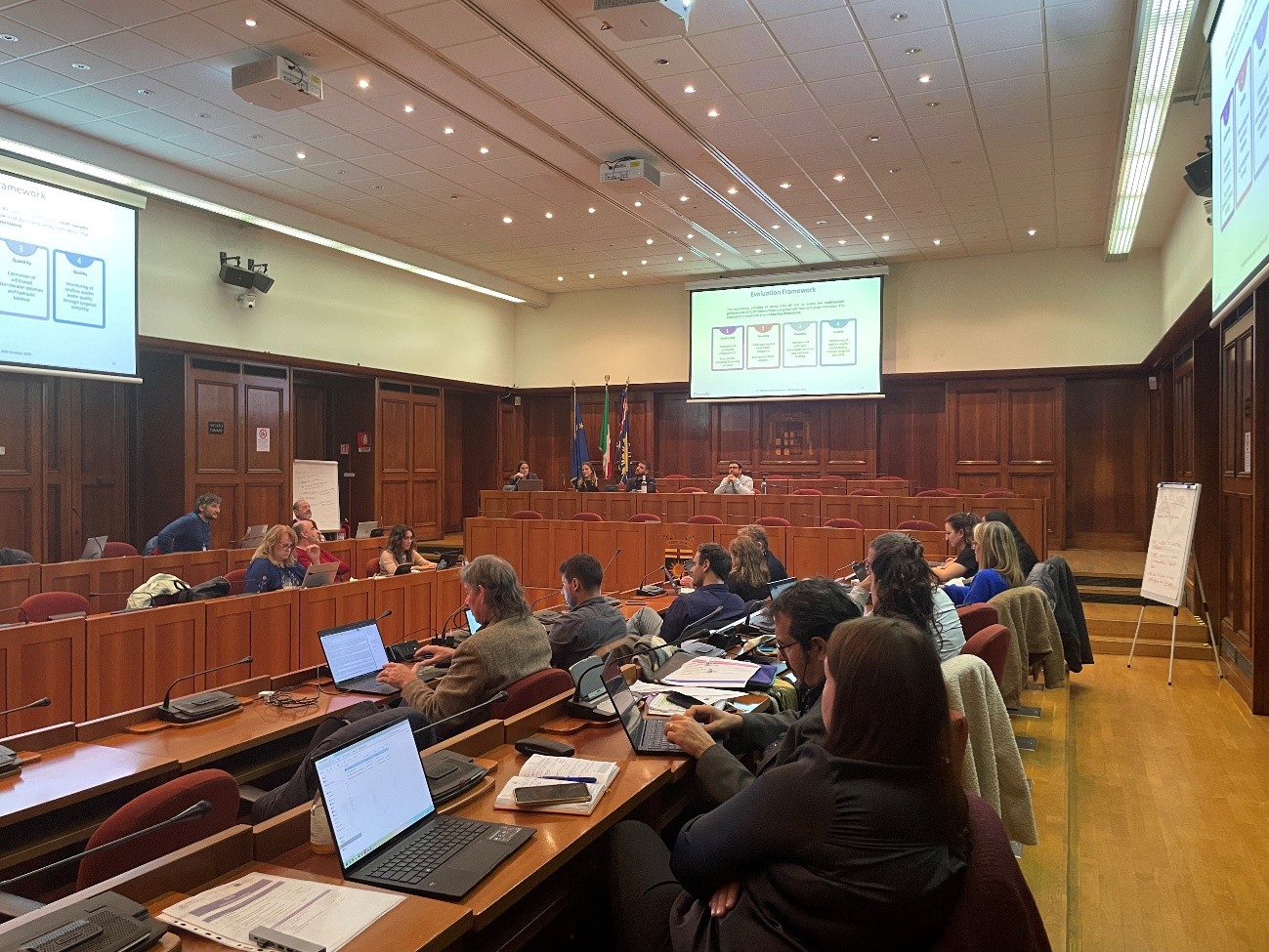
Figure 1 – Picture of the DC#2 presentation at the TIG#3 in Milan